




















ADVENDURE is the leading web portal in Greece about Mountain Running, Adventure, Endurance and other Mountain Sports
info@advendure.com



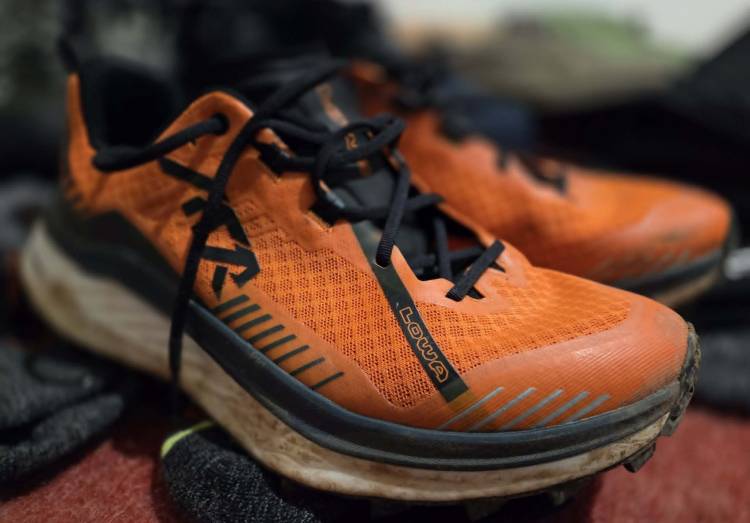
The real test begins when the first impressions fade. First impressions can be deceiving. A soft underfoot feel or a strong energy return is often enough to create excitement during the first few kilometers.
The true value of a trail running shoe, however, reveals itself as the hours pass, fatigue sets in, and every small flaw begins to make itself known.
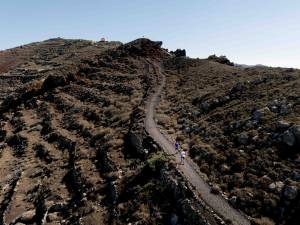
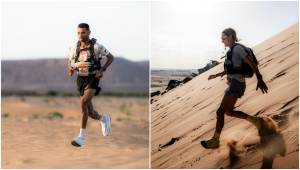
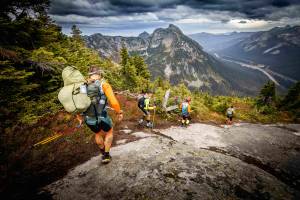
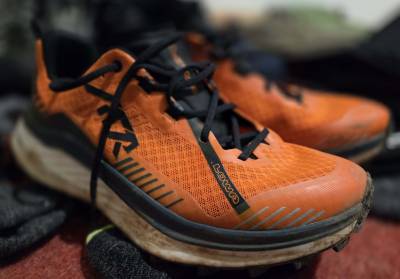
The LOWA Skyterra was tested over approximately 500 kilometers in the Greek mountains, through daily training runs, ultramarathon races, mountain traverses, and fastpacking adventures, across dry, muddy, and wet terrain.
After roughly 500 kilometers, its character becomes unmistakably clear. The Skyterra was never designed to be the fastest trail running shoe on the market. It was designed to remain comfortable, stable, and dependable when a day in the mountains turns into a truly long adventure.


The first thing that stands out is the spacious forefoot and generous toe box. There is ample room for the toes to move naturally, even after many hours on the trail when the feet begin to swell. More importantly, this added comfort never comes at the expense of stability.
During long descents, the toes do not slide forward or “bang” against the front of the shoe, significantly reducing friction and the risk of bruised or damaged toenails.
Equally impressive is the way the shoe locks the foot in place. The tongue design, which clearly reflects Lowa's mountaineering DNA, wraps securely around the midfoot and keeps the foot virtually motionless inside the shoe. Throughout the entire test period, there was never any need to readjust the laces or fine-tune the fit.

The new DynaTPE foam follows a different philosophy from that of many modern ultra trail running shoes.
The ride feels stable, with controlled cushioning and a moderate level of energy return. It absorbs impact effectively without creating the sensation of sinking into the midsole.
Rather than trying to propel you forward with every stride, its goal is to preserve the quality of your movement over long hours on the trail. Even after five or six hours of continuous running across rocky terrain, the foam continues to deliver the same level of protection and consistency, showing no signs of losing its resilience.

During climbing, the 6 mm drop strikes an excellent balance between a natural ride, efficiency, and long-distance comfort. The forefoot rolls smoothly, even on steep gradients, without placing excessive strain on the calves or the Achilles tendon.
On descents, the Skyterra does not have the aggressive character of a dedicated downhill shoe. Instead, it delivers something equally valuable for long-distance efforts: stability and confidence when fatigue begins to compromise running technique.
The Vibram Trac Ultra outsole, featuring Vibram Megagrip rubber, performs exceptionally well across the vast majority of Greek mountain terrain.
Grip is confidence-inspiring on dry rock, dirt trails, scree, and muddy sections.
The only surface where I would have appreciated slightly more confidence is smooth, wet limestone. That said, this remains one of the most challenging conditions for any trail running outsole.
During the Evia Ultra Trail race, the outsole maintained its grip even after many hours on wet and muddy terrain, while the shoe remained comfortable throughout, with no blisters or significant friction issues.

The Skyterra is far more than just a trail running shoe. Its combination of comfort, protection, relatively low weight, and stability makes it an outstanding choice for fast hiking, mountain traverses, and fastpacking as well. It is one of those rare shoes that simply “disappears” on your feet after hours of continuous movement.
After approximately 500 kilometers of testing, the upper remains virtually unscathed, the heel collar shows no signs of wear, the midsole exhibits only minor compression lines, and the outsole lugs continue to deliver very good traction. Overall, the shoe still looks ready for many more kilometers on the trail.

The Skyterra would not be my first choice for short, highly technical races or for runners looking for maximum precision and an aggressive feel on steep descents. In those situations, there are more specialized options available.

After approximately 500 kilometers, the LOWA Skyterra has proven that it fully “understands” its purpose. It does not try to be the fastest or the most eye-catching trail running shoe on the market. Instead, it focuses on comfort, stability, protection, and above all, consistency.
The more hours you spend on the trail, the more you appreciate its character.
For a short and highly technical race, I would choose something more specialized.
But for a long day in the mountains, it is one of the shoes I would put on without a second thought.
8.8 / 10
The Skyterra does not try to be the best at everything.
It aims to excel at what it was designed for.
And, in my opinion, it succeeds.
See you on the trail.
Field Notes by Makis Fortis
Physiotherapist – Mountain Guide – Trail Runner – LOWA Greece Ambassador










ADVENDURE is the leading web portal in Greece about Mountain Running, Adventure, Endurance and other Mountain Sports
info@advendure.com